Screen printing vs. Sublimation is one of those debates about decorated apparel that comes up a lot. You’ll hear different providers say their method is the best but often they don’t explain when one actually works better than the other. Both can give eye-catching results. Both can handle orders. Both can also fall short if you pick the wrong fabric, design or production setup.
This difference matters more than most people think before they actually place an order and see the results.
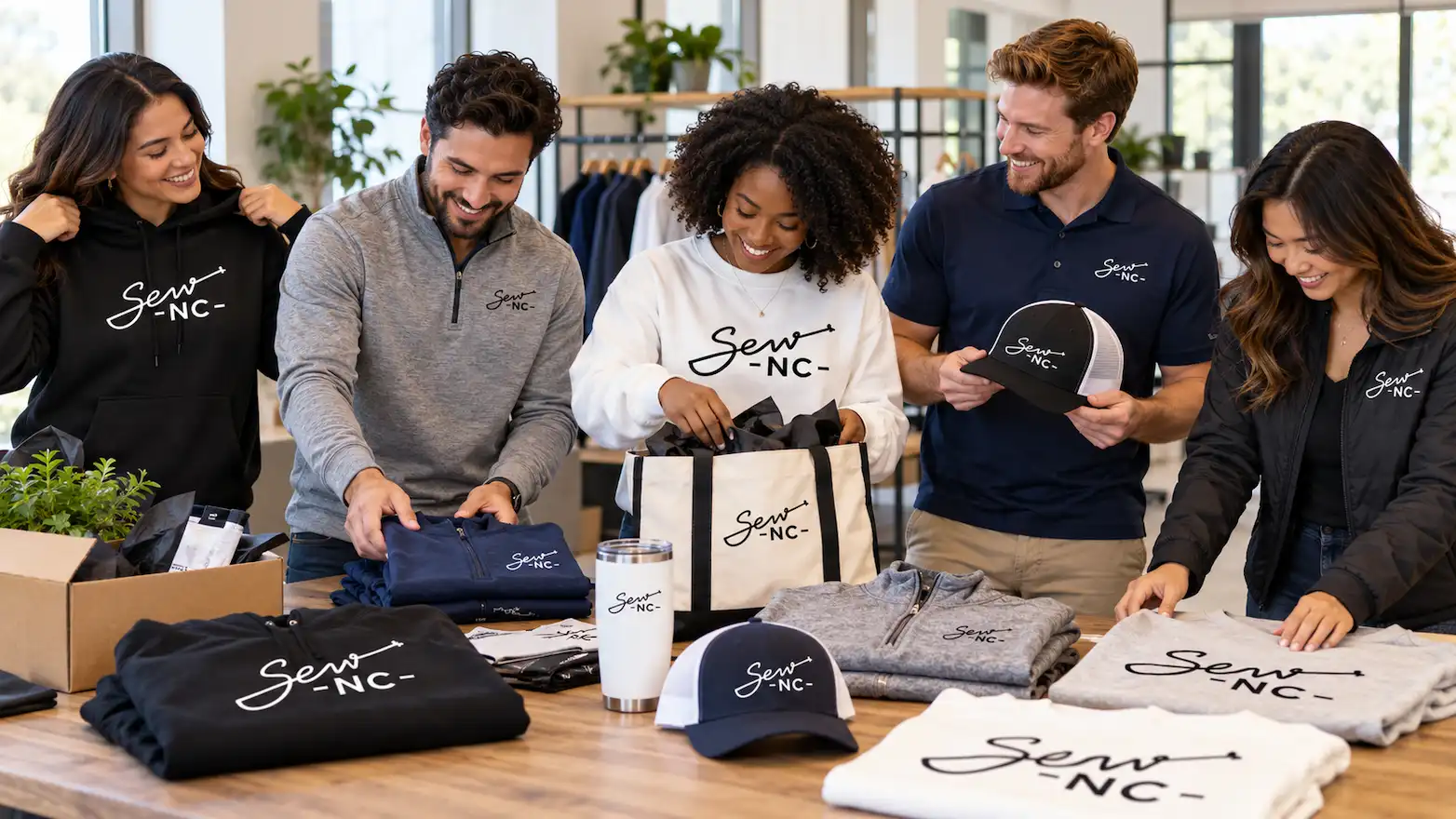
At Sew NC, we do screen printing every day. It’s part of our work. The screen printing, vs. Sublimation questions come up often with customers who are trying to figure out their options. Almost every time the answer comes down to three things: the fabric you’re using, the artwork you want to print and how the final product should look and feel.
How Each Method Actually Works
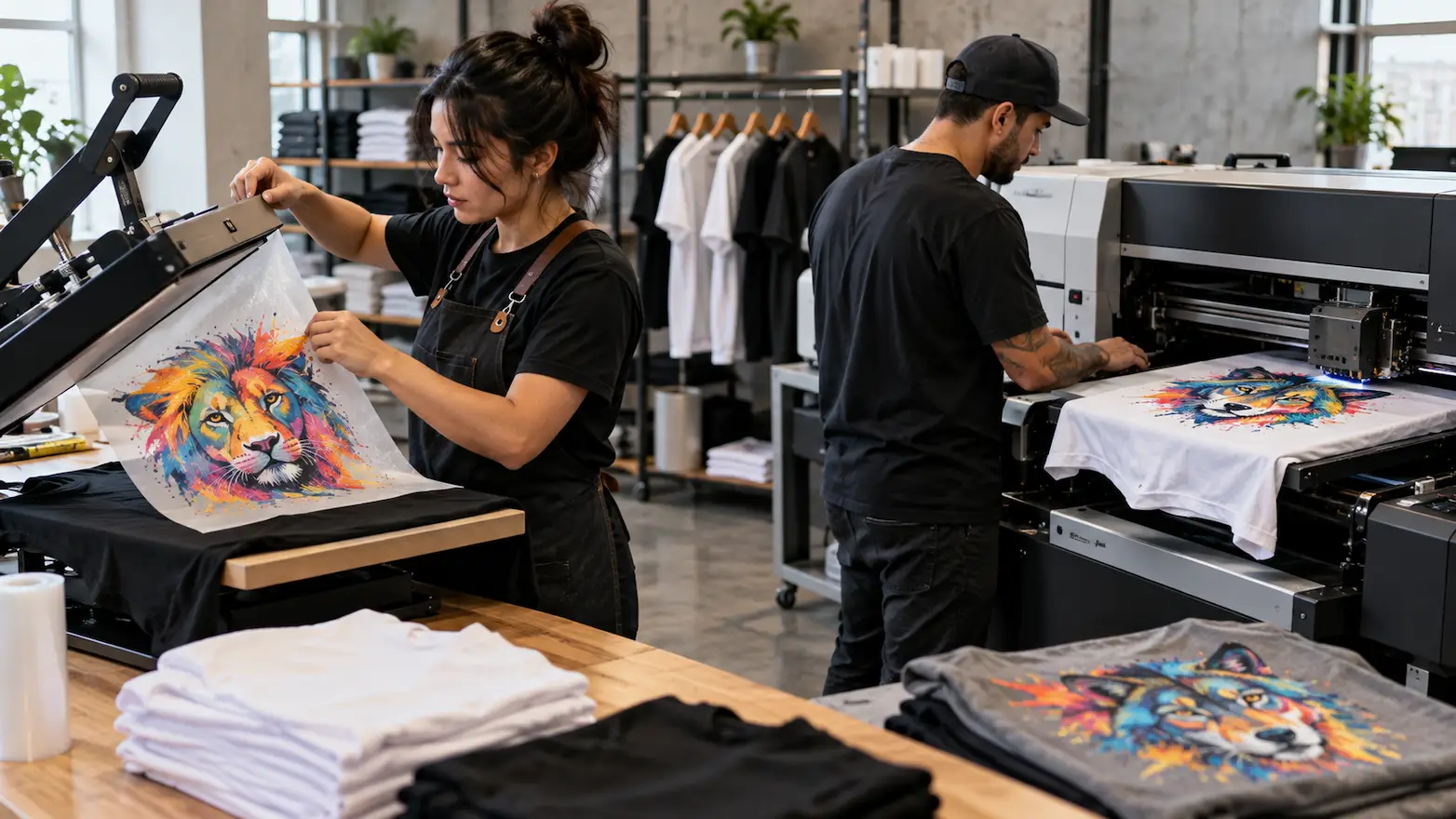
Screen printing transfers ink onto a garment through a mesh screen that has a stencil burned into it. Each color in the design needs its screen. A squeegee pushes ink through the parts of the stencil onto the fabric and then the garment is cured under heat, which bonds the ink to the fibers. The ink remains on the surface of the material layering up for multi‑color designs.
Sublimation works in a different way. A sublimation printer prints the design onto transfer paper with dye‑based inks. That paper is heat‑pressed against the garment and the heat turns the ink from solid into gas. The gas then penetrates the fabric fibers and bonds chemically with the polymer structure of the material. The ink becomes part of the fabric rather than just sitting on top of it.
That last point is the most consequential difference between the two methods in practical terms. Screen printing sits on the fabric. Sublimation becomes the fabric. Every other distinction between them, fabric compatibility, color vibrancy, hand feel, production economics, follows directly from that one.
Fabric Compatibility: The Constraint That Shapes Everything
Sublimation only works on polyester. It is not primarily intended for polyester. Sublimation works on polyester or on materials that contain at least ninety‑five percent polyester. The dye‑gas conversion needs polymer fibers to bond and natural fibers such as cotton do not provide that structure. If you try sublimation on a cotton garment you will get a washed‑out result that fades quickly and never shows the artwork correctly.
That single rule takes sublimation out of any branded apparel program that relies on cotton or cotton‑blend jerseys, workwear fabrics, canvas, denim or most other commercial garment types. These categories make up the majority of business apparel orders. So if you want to use sublimation you must avoid those fabrics.
The limitation with screen printing is not the fabric type but the fabric surface. Screen printing works best on smooth materials and needs extra care on fabrics that are heavily textured or stretchy. For the vast majority of business apparel programs, screen printing’s compatibility is broad enough to cover the full order without requiring garment substitutions.
Color Vibrancy and Design Coverage
Sublimation creates colors that become part of the fabric lying on top of it, giving sublimated prints a visual clarity that is truly hard for other methods to match on the right material. Full photo‑style imagery, color transitions, all‑over prints that cover the entire garment surface including seams and edges and designs with many colors are all within sublimation’s natural range. The print does not crack, fade or peel because there is no surface layer that can break down.
That ability comes with a visibility issue that buyers sometimes discover after they choose the method: sublimation only shows on very light‑colored polyester backgrounds. The dye bonds with fibers and creates color exactly where the design requires it. On a dark or colored polyester base, the dye cannot override the existing color. All-over sublimation programs are built around white base garments for exactly this reason.
Screen printing handles dark garments without that limitation because the ink is opaque and sits on the surface. A bold white design on a black t-shirt, a bright graphic on a navy hoodie, or a full-color logo on a charcoal crewneck are all standard screen printing applications. The trade-off is that screen printing cannot cover garment seams seamlessly, and complex gradients require either simplified color separations or a higher-cost simulated process printing setup.
Hand Feel After Production
A sublimated garment on the polyester substrate feels just like the garment itself. The ink goes inside the fiber not on top. That means no layer, no texture from the design and no added weight. Because of this sublimation is the go-to for performance apparel. When a design feels like nothing, it doesn’t get in the way during movement or activity.
Screen printing on cotton jersey using water-based or discharge inks gives a soft feel. It’s close to how the unprinted fabric feels after a few washes. Plastisol inks, which are common, in screen printing add a bit more surface texture, especially on thick or full-coverage prints.
For branded apparel the feel isn’t usually the deciding factor. If the brand focuses on performance wear or high-end lifestyle clothing, fabric feel becomes part of the identity. That’s when the difference matters.
Production Economics and Quantity Thresholds
Screen printing has a fixed setup cost per color per design. Each color requires a screen, and those screens are paid for at the start of the run regardless of how many pieces are being printed. That cost structure makes small runs with multi-color artwork expensive per unit and makes large runs with consistent artwork increasingly economical as quantity increases.
The crossover where screen printing becomes genuinely favorable compared to other methods typically falls around 24 to 48 pieces for designs with two to four colors, with economics improving significantly above 72 to 144 pieces.
Sublimation’s cost structure is different. The process does not require separate setups for each color because the full design prints in a single pass. Setup costs are lower for complex full-color designs, and small runs of fully sublimated items are more economical per unit than screen printing equivalent when screen setup fees are factored in.
The trade-off is the substrate constraint: if the program requires cotton or standard blended fabrics, sublimation’s economics are irrelevant because the method simply cannot be used.
For all-over print programs on polyester garments, sublimation is typically the most cost-effective method regardless of quantity because no other process produces seamless full-garment coverage at a comparable price point. Screen printing cannot cover seams. Large-format DTF transfers become cost-prohibitive at most quantities. Sublimation on a white polyester substrate is what makes all-over designs economically viable.
Where Each Method Belongs in a Business Apparel Program
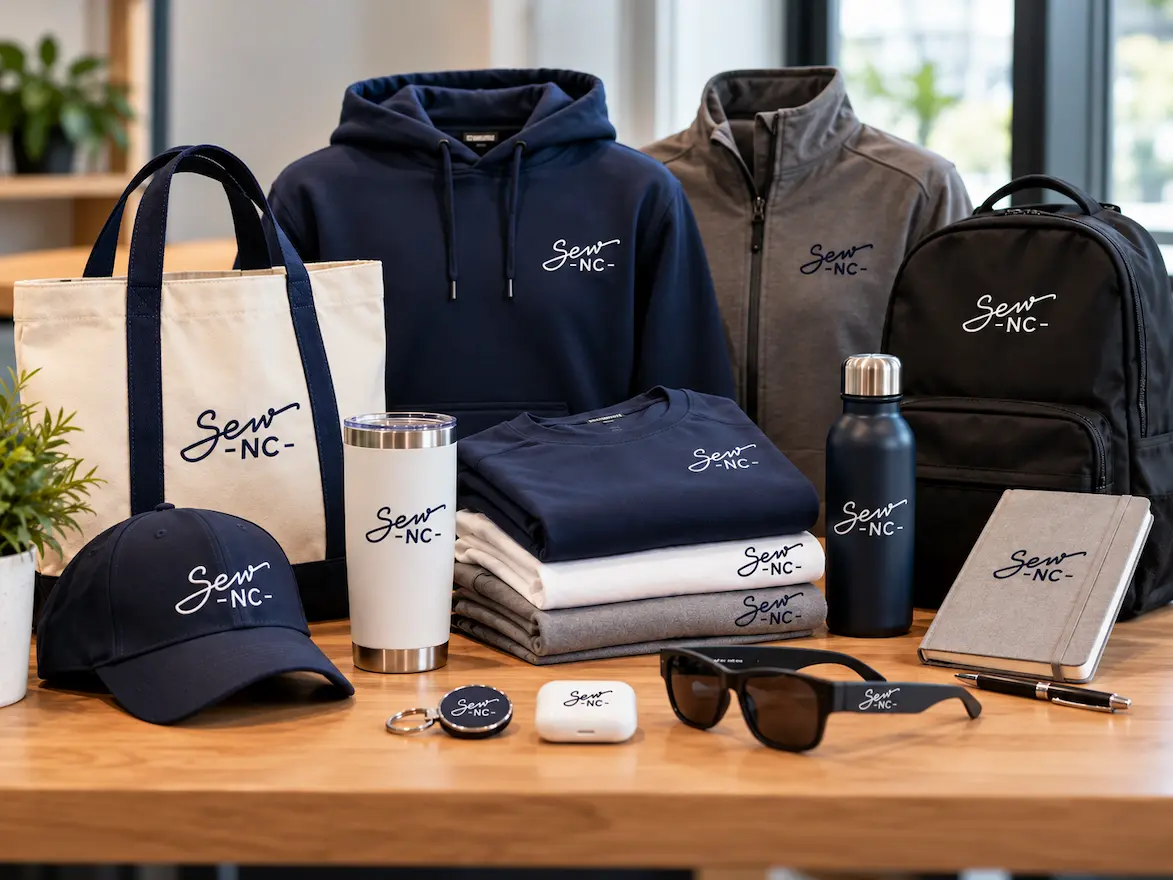
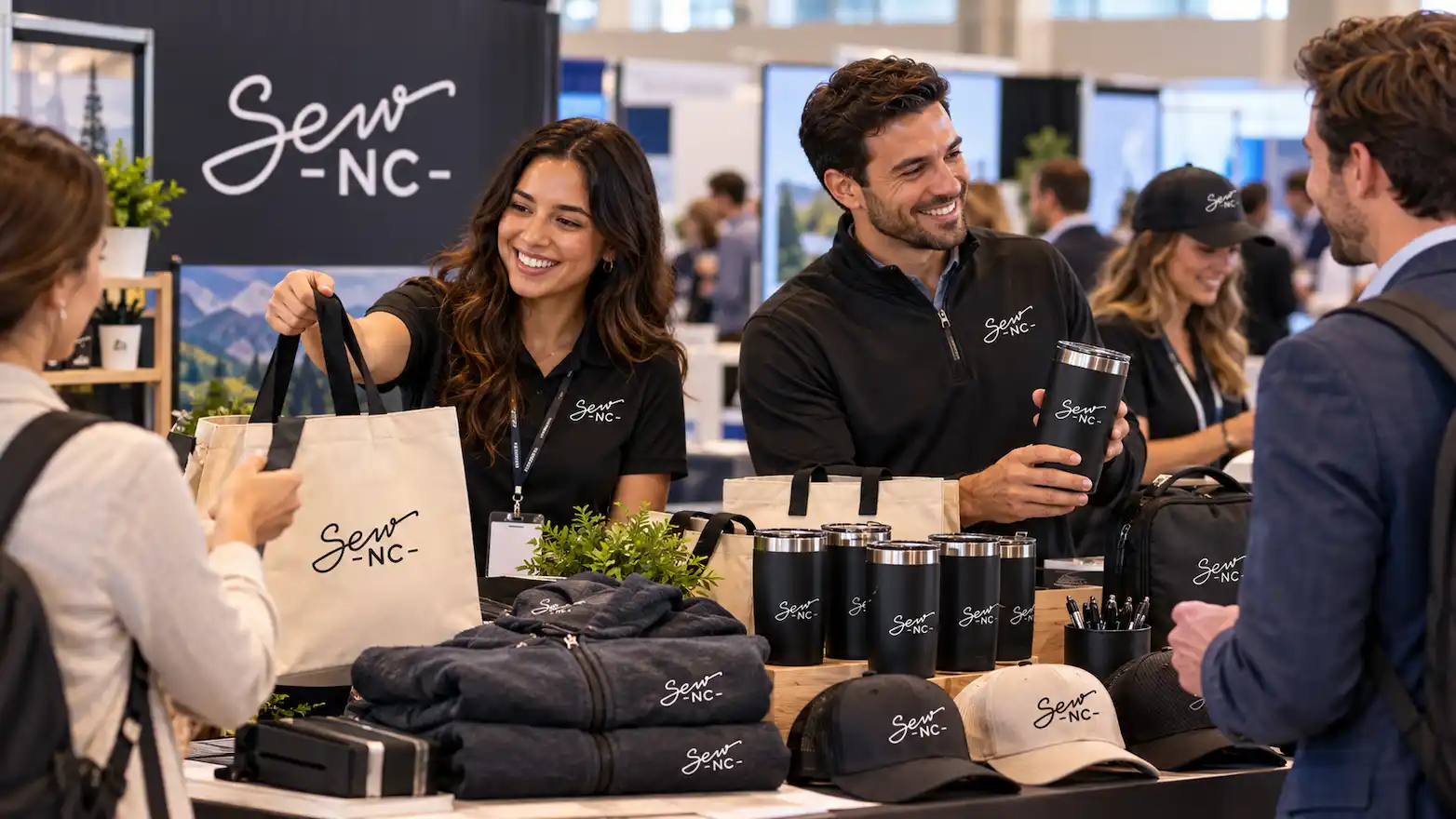
Screen printing is the choice for the majority of branded business apparel programs. Screen printing works well for corporate t-shirts, event merchandise, promotional hoodies, staff uniforms and branded tote bags. These items always use cotton or cotton‑blend fabrics and come in a range of colors including dark shades. Screen printing can handle all of those applications across a quantity range that fits commercial orders.
For organizations building a performance apparel component, a sports team ordering full‑dye jerseys or a business producing promotional items on substrates like mugs and mousepads sublimation enters the conversation as the right method for those specific pieces. Sublimation is the choice for those items.
It does not replace screen printing for the cotton garment portion of the program. It extends the decoration capability into the polyester substrate category that screen printing cannot cover as effectively.
The programs where you need to think about screen printing vs. Sublimation are the ones with different types of clothes. For example a branded set that has both a cotton staff t-shirt and a polyester performance layer for the team can use screen printing on the cotton shirt and sublimation on the polyester one. Each method works best on the fabric it’s meant for. So you pick the process for each garment.
At Sew NC, the screen printing vs. sublimation conversation is one we work through based on the garment, the artwork, and the quantity rather than a preference for running one process over another. Our screen printing services cover the full range of commercial applications for standard apparel programs, and we help buyers determine where sublimation or other methods belong when the order calls for them.
Artwork Preparation for Each Method
The file needs are different for each method. Sending the wrong format for the process you want adds time that most production schedules can’t handle easily.
Screen printing works best with vector art that has colors divided into layers one for each screen. The file should be in AI or EPS format. The number of colors used impacts the setup cost. Making sure the final color count is known before creating the art helps avoid budget changes during the process. Using Pantone coated color references for each color gives the production team a standard to match the inks to instead of a guess they have to interpret.
Sublimation works with high-resolution raster files, in RGB color mode because the process prints all colors in one go without separating them. A 300 DPI or higher PNG or TIFF file that is the size it will be printed is the usual format. Making sure the file is the right size matters because sublimation prints it exactly as it will appear on the item. Changing the size after printing can affect how the colors look in a way that’s hard to fix without printing again.
Making the Decision
The screen printing vs. sublimation decision simplifies once the three critical variables are known. What fabric is the garment made from? Cotton and standard blends belong in screen printing. White or near-white polyester belongs in sublimation. What does the artwork require? Bold spot-color designs and dark garment applications fit screen printing.
Seamless all-over coverage and photographic designs on white polyester fit sublimation. What quantity is being ordered? Screen printing becomes increasingly economical above 48 pieces with consistent artwork. Sublimation’s economics are relatively flat across quantities on the correct substrate.
Neither method is universally better. The order tells you which one it needs.
Reach out through the Sew NC contact page to get apparel guidance for your next decorated order. Whether the program belongs in screen printing, sublimation, DTF, or embroidery, the answer starts with the garment and the artwork.